How to Care for Orchids
Orchids have no equal.
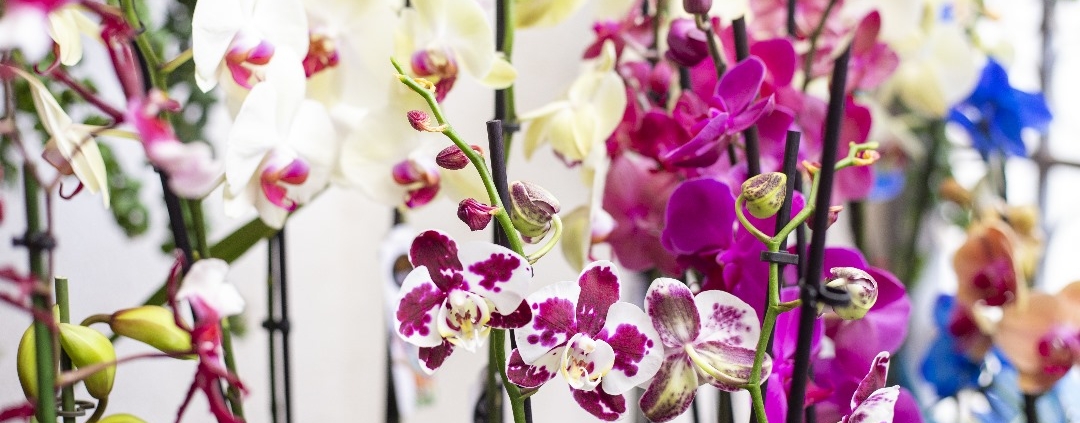
They are breathtakingly beautiful, long-blooming, long-lived, fascinating in fragrance for some and form and extremely varied. Every orchid has a characteristic, highly evolved lip, a petal that protrudes in a blossom of three petals and three sepals, some fused together.
Few pleasures in gardening surpass the thrill of seeing orchids thrive and bloom; at least that is what most orchid lovers say.
About Orchids
The orchid family is one of the largest in the realm of flowering plants: More than 25,000 species grow naturally. Orchids grow well under trees for dappled sunlight/ filtered sunlight. This condition mimics their native habitats of jungles and forests where they grow and here they are of very low maintenance and all one needs is watering them on sunny days, and inspecting for pests.
One has to know which orchids they are growing and they start with right medium of soil. Some grow in soil, other species like Phalaenopsis and Vanda’s etc have aerial roots and therefore are grown best in coarse material eg wood chips or bark of trees, charcoal or just wrapped in moss to help them just hold moisture. Some orchid species, like Dendrobiums grow in a bit of semi-fine growing material like in cocopeat or semi-fine wood chips, since there roots are a bit smaller.
Repotting Orchids
General Potting Tips
- Do not repot while a plant is flowering, as the blooms may suffer. Enjoy the flowers first.
- When an orchid spills out of its pot, the roots trail down the sides of the pot, or the growing medium is reduced to crumbs, it’s time for repotting.
- The health of roots of the orchid in most cases determines the health of the overall plant.
How to Repot an Orchid
- Carefully remove the orchid from its existing pot. New orchids are typically sold in thin plastic containers, which can be cut away.
- Dispose of the old potting medium, especially if it looks like it’s breaking down or rotting.
- Inspect the orchid’s roots, cutting off any that are blackened, hollow, spongy, or otherwise damaged. Healthy roots look white or green.
- Hold the plant upright in the new pot and fill in around it with new potting media, tamping down gently, to about an inch from the top of the pot.
- Water the orchid well to settle the media around its roots. Add more media if necessary.
- If the plant doesn’t stay in place, consider staking it until its roots take hold of the new media.
- Use very well aerated pots to allow for extra airflow.
Lighting
Sunlight plays a great role on blooming of orchids. Ensure that wherever you place your orchids, the spot has sunlight especially the morning sun or late evening sun, midday or hot sun scorches their leaves so protect them from it.
- Without adequate light, expect lush growth but no flowers. Insufficient light is the most common reason for failure to bloom.
- Leaf color is a good indicator of the amount of light an orchid is getting:
- Bright green leaves indicate a happy, healthy plant.
- Dark green leaves signal that a plant is not getting enough light.
- Yellowish-green or red leaves indicate that a plant is getting too much light.
Watering
You can tell that your orchid needs water especially for those that grow in coarse material , for others species, water when the potting material is tending to dry up.
- To know when to water, pick up the potted orchid and examine it: Is the potting mix dry? Does the pot feel light? This means that it probably needs a drink.
- like mentioned above to tell if an orchid is thirsty is to look at its roots:
- Plump white roots indicate a healthy orchid that’s being watered correctly. When watered, healthy roots should turn bright green.
- Shriveled gray roots signal that the orchid needs more water.
- Shriveled or spongy brown and black roots are a sign of rot, so cut down on watering.
Fertilizing
- As a general rule, fertilize orchids every 2 weeks when not in bloom. We however advise you follow the manufactures instructions. Click to see Orchid food available https://mauaandmore.com/product/orchid-food-water-soluble-food/
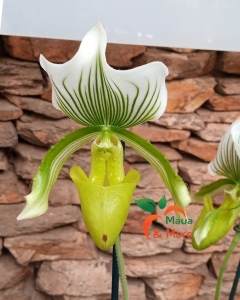
SOME VARIETIES
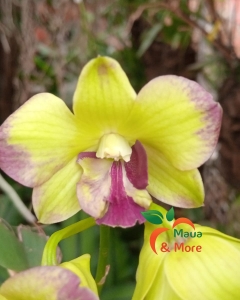
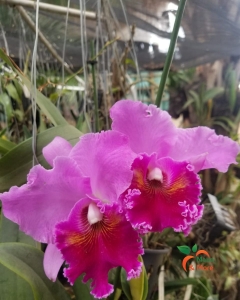
Cattleya
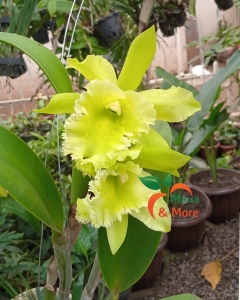
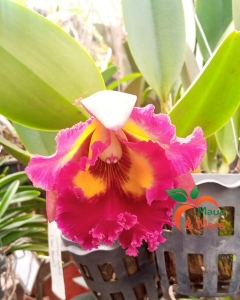
Oncidium
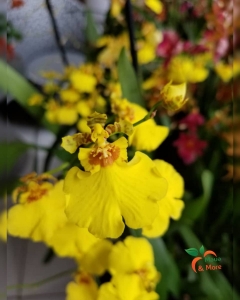
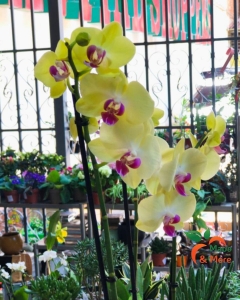
Phalaenopsis
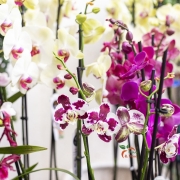
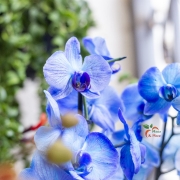
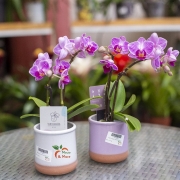
Cymbidium
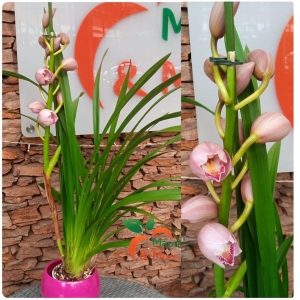
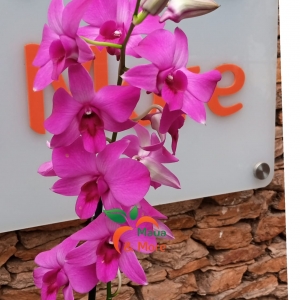
Dendrobium
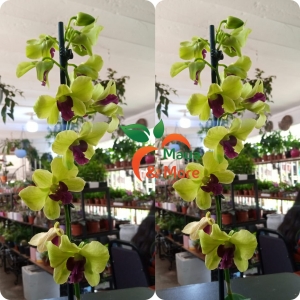
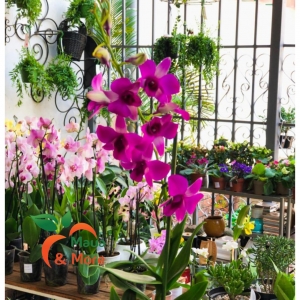
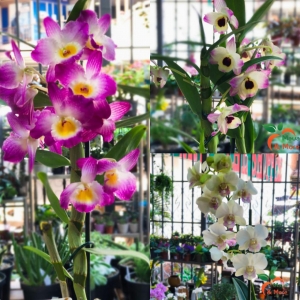
Odontoglossum
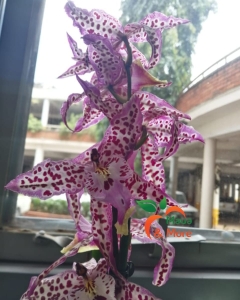
Miltonia
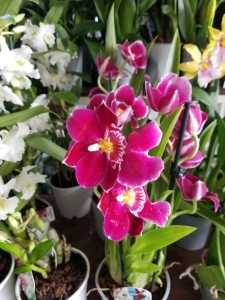
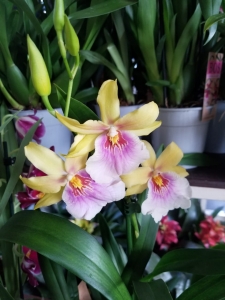
Maxillaria
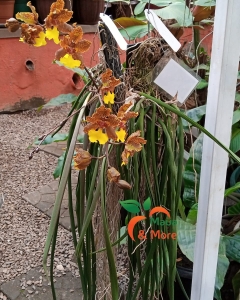
Among others
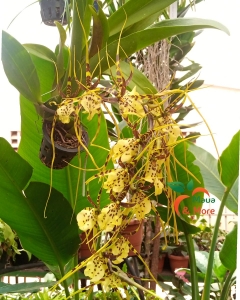
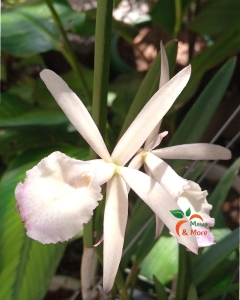
Orchids are relatively pest-free plants but here are some possible pests. All of these can be addressed first with non-chemical options:
Wash off with warm water and soap at early stages.
- Aphids: Look for clear sticky droplets anywhere on your plant.
- Mealybugs: Look for a white cottony mass .
- Snails and Slugs come out at night and leave a slimy trail so if you suspect them, take a flashlight in the evening to search for these culprits especially in the rainy season. Look under your pots, too. Use salt to kill them.
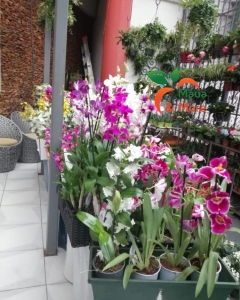
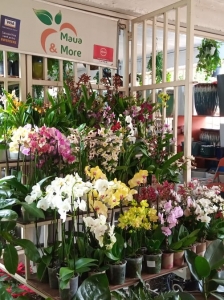
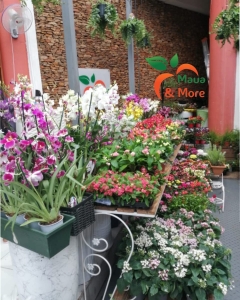
Orchid Display at Maua And More Garden City Outlets