
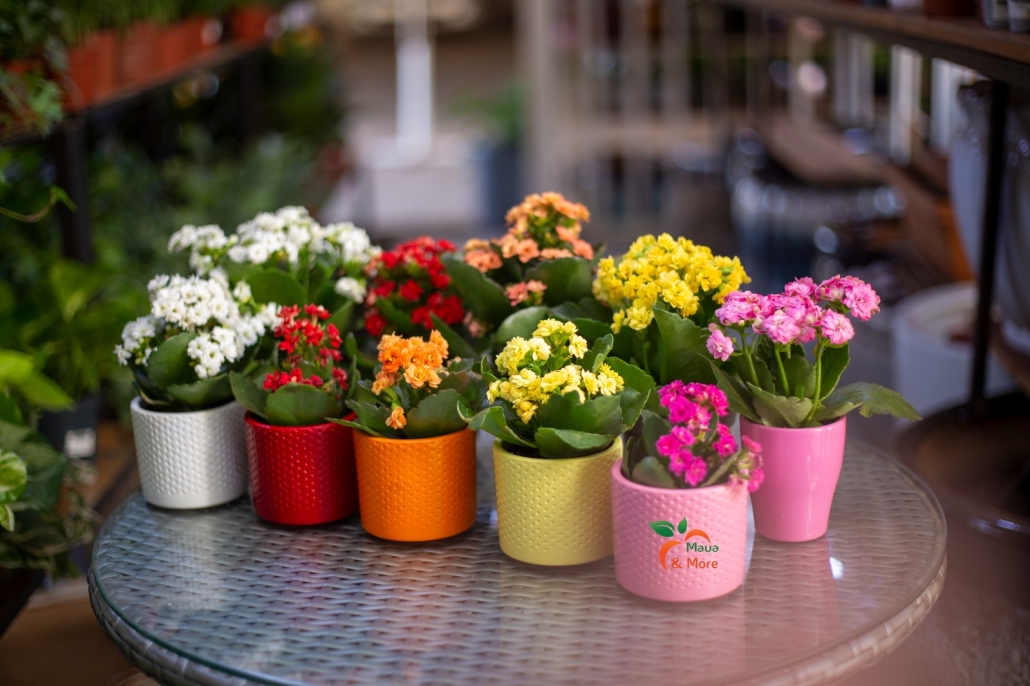
KALANCHOE – How to Care for Ever-Blooming Kalanchoe Succulents

Indoor and out door kalanchoes KAL-ən-KOH-ee, also written Kalanchöe or Kalanchoë, is a genus of about 125 species of tropical, succulent plants in the stonecrop family Crassulaceae, mainly native to Madagascar and tropical Africa.
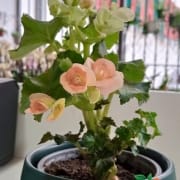
Kalanchoes are succulent plants often grown for their tiny, colorful flowers.
 .
It grows with minimal care and comes various benefits, its believed to relieve Headache, if one warms its leaf and place it on your forehead for 10 minutes.
Potting and Repotting Kalanchoe
Unlike plants that prefer to be pot-bound, kalanchoe plants actually thrive best if repotted rather frequently, which encourages good drainage.
For best results, repot your kalanchoe annually after the plant has bloomed—doing so will encourage new growth and increase the plant’s fullness. Go up one container size each time you repot. Make sure to use a well-draining pot; clay is a good choice, as the material is porous and will help keep the soil relatively dry.

Propagating Kalanchoe
Kalanchoe is very simple to propagate, and doing so is actually beneficial to the plant’s health. As a mature kalanchoe grows, it produces offsets that can be taxing on the mother plant. Instead of allowing them to leech nutrients from the mature plant, you can propagate the offsets (or take stem cuttings) at almost any time. Here’s how:
- Cut a segment of stem several inches long from a mature plant using a sharp clean knife or clippers. If using an offset, remove it at the joint where it connects to the parent plant.
- Allow the cutting to dry out for a few hours, or until the end appears to have healed shut and calloused over.
- Dip the calloused ends of the cutting in a rooting hormone once healed.
- Plant the cutting in soil comprised of the same mixture used to grow the mother plant.
- Let the newly planted cutting sit in bright indirect light, but do not water; the stem should take root within a month, at which point you can care for it as you would a mature kalanchoe plant.
Growing conditions of kalanchoe
Soil
Outdoors, kalanchoe plants thrive in well-drained, sandy soil. For indoor plants, use a potting mix that doesn’t retain excessive moisture. To ensure proper drainage and prevent waterlogged soil, consider planting your kalanchoe in a clay pot, which helps absorb excess water.
Fertilizer
Like most flowering plants, kalanchoe benefits from fertilizer, though they are less hungry than many plants. Indoor plants should be fed with a well-balanced fertilizer blend once a month.
Water
If you occasionally forget to water your plants, a kalanchoe is the perfect choice. This hardy plant thrives with minimal water, requiring complete saturation only every few weeks. Allow the soil to dry out completely between watering to prevent root rot. As a succulent, the kalanchoe’s leaves store water, so even if you’re a few days late watering, the plant will remain healthy
Light
Kalanchoe plants grown indoors need ample light to bloom, so they should be kept in rooms with abundant bright, natural light. Place those that have acclimated to partial direct sunlight accordingly.
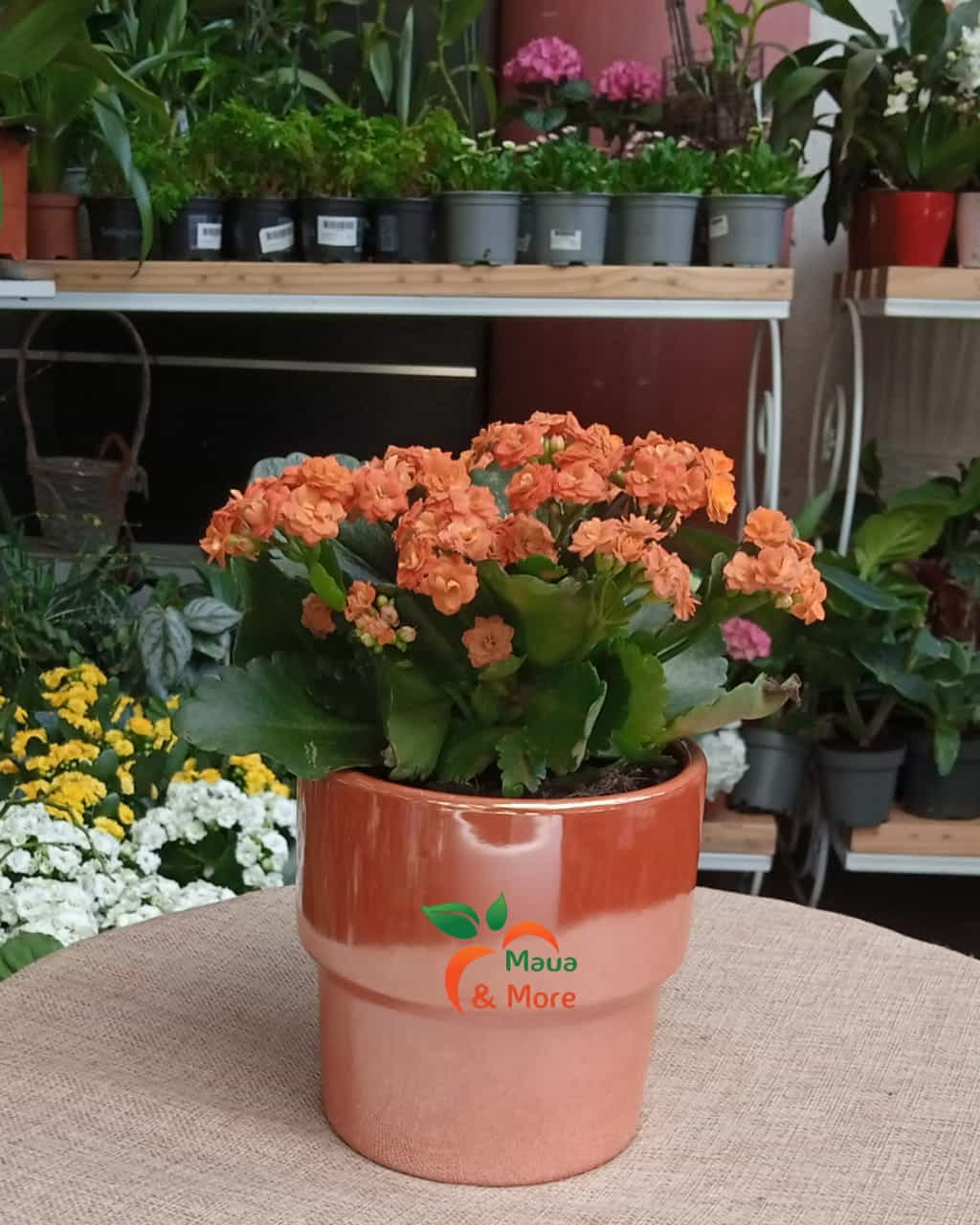
Get these from Maua And More outlets at Garden City Mall: 0777 014 020 or 0753 105 788_





Leave a Reply
Want to join the discussion?Feel free to contribute!