
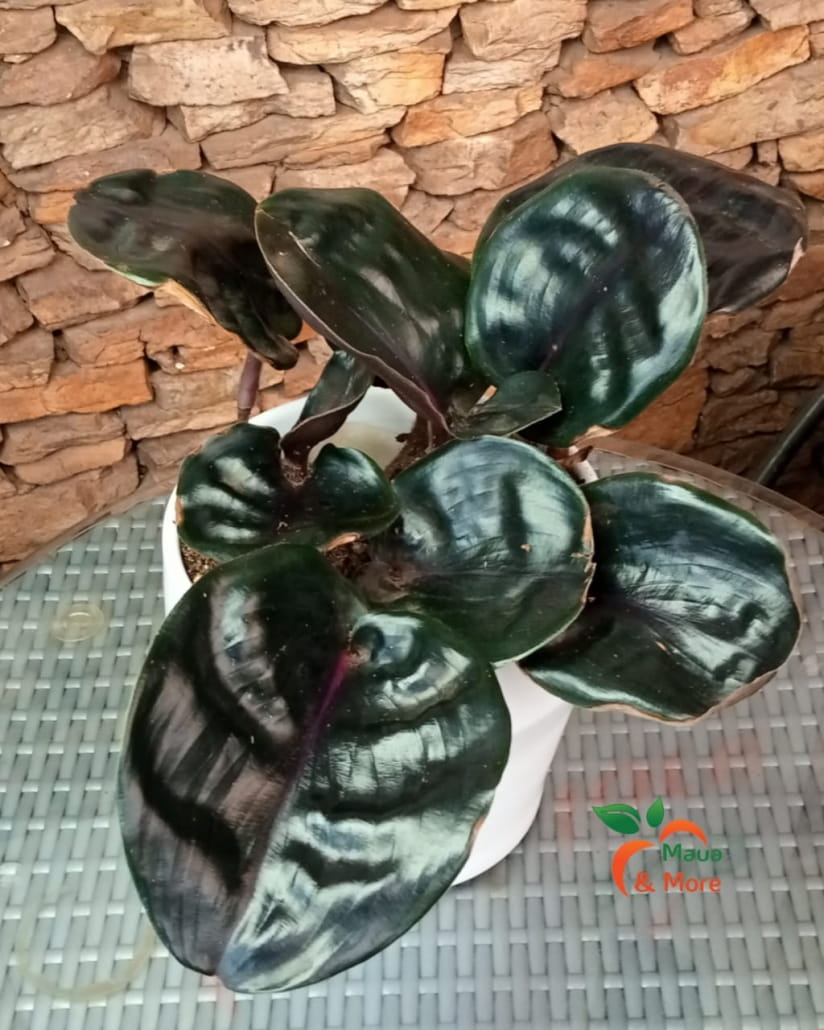
Geogenanthus Ciliatus
GEOGENANTHUS CILIATUS
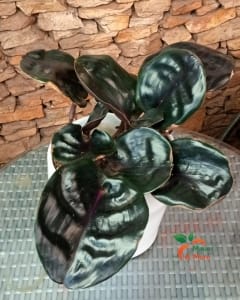
Geogenanthus ciliatus or geo plant is a flowering species from the Commelinaceae family. It has its origin tied to the rainforests of Peru, Ecuador, and Columbia. It is known for its glossy dark purple or green foliage.
The Geogenanthus Ciliatus is a member of the Commelinaceae flowering plant family. Dark green and purplish foliage makes it an ornamental plant. The stiff leaves and easy-to-care plants can survive in the hands of unprofessional. Ecuador and Peru rainforests are the ancestral origin of the plant.
The Geogenanthus Ciliatus can grow in pots inside the home. It complements the interiors of your room. However, for best display, you need to take care of the following aspects.
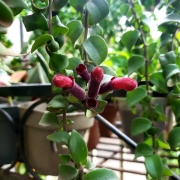
They produce flowering blooms that take up the color purple alongside fleshy stems. These stems carry the geogenanthus ciliatus flower.
The geo plant is nontoxic. So you can grow them in houses where children and pets are present, when it comes to toxicity.
HOW TO GROW FOR GEOGENANTHUS CILIATUS
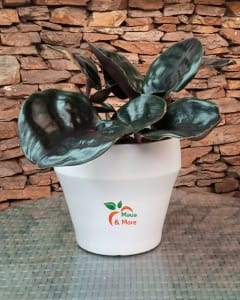
Geogenanthus ciliatus plants are known for being easy to care for. They do have requirements but they are simple.
Soil
Always use a healthy, well-draining soil mix for your geogenanthus. It should have good moisture-retaining abilities too. The pH level should be kept between neutral and a little acidic. A value between 6.5 and 7 should be fine.
To achieve this, you can try adding the potting mix to some amount of perlite. You can also add peat moss, some coco coir, or orchid bark to the soil mix. This should be a perfect condition for growing your Ciliatus plant.
The pot used should be well-draining. This means it should contain enough drainage holes at its base. This would permit the easy flow of water.
Fertilizer
Fertilize the geo plant once a month during its growing season. This should be between spring and summer. During winters, avoid fertilizer use.
The best fertilizer would be a liquid-based fertilizer with a decent NPK concentration. But ensure you dilute the fertilizer to half its initial strength before use.
Watering
Watering should be done once or twice a week. On hotter days, you might need to increase it to 3 or 4 times a week. Avoid watering during the cold or winter season. Use tepid dechlorinated water when watering.
To achieve this, make use of a moisture meter. You can also try lifting the pot. If it feels heavy, then do not water the plant. Another option would be to feel the soil with your fingers. If it feels dry, then proceed to watering.
Ciliatus plants love water. Still, do not overwater the plant, as you can expose them to fungal attacks by doing so. Always aim for moist soil when watering. So water when you notice the soil is almost dry.
Lighting
The best light source for the geo houseplant would be filtered sunlight. This should be bright but indirect. They can also tolerate areas of low lighting, but not for too long. Over time, they would need some bright light to grow proper leaves.
Prolonged exposure to direct sunlight is not good for geo plants. They have delicate leaves that could become scorched when exposed to intense sun. So consider moving the potted plant to a room with a south-facing window.
If you can’t relocate the plant. Consider using a light cloth or curtain to filter the sun’s intensity. For areas of low lighting, you can invest in growth lights. They should be enough for the plant species.
Geogenanthus Ciliatus Propagation
You can propagate the geo plant through 2 methods;
- Through the tuberous rhizomes.
- Through Stem cuttings.
Propagating through stem cuttings is an easier and faster method. But, always sterilize any cutting tool before use.
 Garden city mall Metroplex shopping mall:




Leave a Reply
Want to join the discussion?Feel free to contribute!