
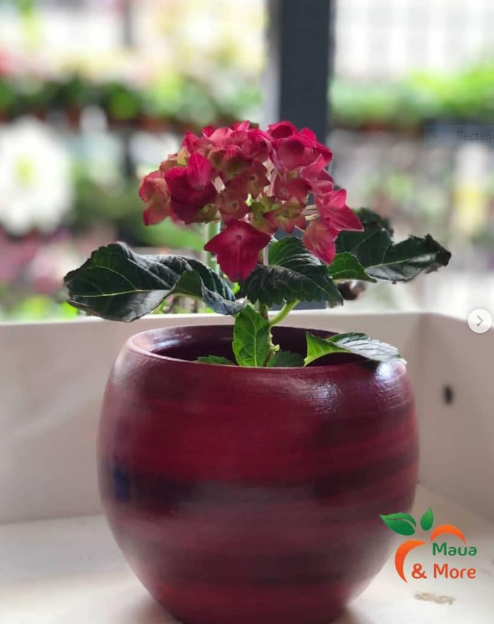
The Hydrangea Flowers
THE HYDRANGEA FLOWER
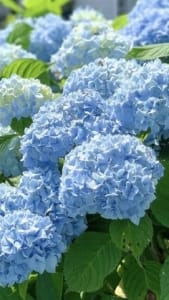
THE HYDRANGEA-FLOWER are popular shrubs with colorful flowers that bloom through summer and into fall. They usually bloom in shades of blue, purple, and pink, with some selections in white, green, or red. Most hydrangea bushes are easy to grow in Zones 3-9 and prefer partial shade.
Allergy Safe Flowers. Hydrangeas are unique because they have super sticky pollen. That makes it difficult for wind to blow the pollen around, making these flowers perfect for allergy-prone gardeners.
What is the secret meaning of hydrangea?
What do hydrangeas smell like?
Symbolism.
The hydrangea represents gratitude, grace and beauty. It also radiates abundance because of the lavish number of flowers and the generous round shape. Its colours symbolise love, harmony and peace.
Hydrangeas are lush, beautiful, and bountiful florals that symbolize good luck and fortune. They also represent gratitude, happiness, and enlightenment.

The November birth flower is Hydrangea, and it is known as the “Flower of Gratefulness.” A lovely bouquet of Hydrangeas represents the gratitude of the giver toward the recipient. November birthdays are the perfect reason to send your loved ones Hydrangeas.
Types of hydrangeas:
There are six main types:
- Bigleaf or French (Hydrangea macrophylla)
- Oakleaf (Hydrangea quercifolia)
- Climbing (Hydrangea petiolaris)
- Panicle (Hydrangea paniculata)
- Smooth (Hydrangea arborescens)
- Mountain (Hydrangea serrata)
Additionally, there is a wide variety of characteristics to choose from: standard-size shrubs, smaller dwarf varieties, or taller tree-like forms. You can also choose from four distinct flower shapes: lacecap, panicle, mophead or snowball. There are also types that bloom on old wood, types that bloom on new wood, and types that bloom on both, often referred to as “reblooming” or “remontant” types.
Compare the sizes, light needs and bloom time of the different hydrangea types and determine which ones meet your gardening needs.
BEST PLACE FOR PLANTING
Hydrangeas are good for, the root and underground stem (rhizome) are used to make medicine. People use hydrangea for bladder infections, prostate infections, enlarged prostate, kidney stones, and other conditions, but there is no good scientific evidence to support these uses. Hydrangea might also be unsafe when used in large amounts.
Hydrangeas grow well in soil containing an abundance of organic material. Good drainage is vital. While hydrangeas like moist soil, they cannot tolerate being waterlogged. Soggy, poor draining soils can cause root rot.
GROWING AND CARING FOR THE HYDRANGEA FLOWER
Growing hydrangeas successfully starts with the planting process. It’s all about timing, location and healthy soil.
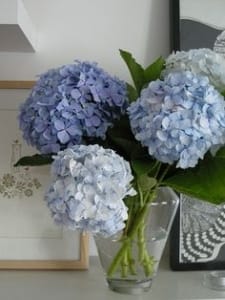
When to plant hydrangeas:
Container-purchased plants should be planted in spring or fall. Make sure there is no threat of frost when planting.
How to plant hydrangeas:
- Get your plant off to a healthy start by amending your soil with up to 15% organic matter and an all-purpose slow-release fertilizer (use half of what is recommended).
- Plant slightly higher than they were in the nursery container.
- The planting hole should be 2 to 3 times wider than the root ball to give the roots plenty of room for expansion.
- Gently loosen pot-bound roots before planting.
- Backfill with the amended soil and water well.
- If planting a grouping, space at least 3 feet apart (more, if planting larger varieties).
Where to plant hydrangeas:
- The best location is one that receives morning sun and afternoon shade. If you live further north, they will tolerate more sun (possibly full sun all day).
- Consider mature size, give it plenty of room to grow.
- Choose an area with excellent drainage. Amend the soil with compost if necessary.
- Don’t plant beneath a tree—the root competition and lack of sunlight will prevent them from thriving.
- Avoid planting in exposed areas where gusty winds could snap stems.
Planting hydrangeas in pots:
- Use a bagged potting mix rather than garden soil.
- Mix in a slow-release fertilizer.
- Leave 1 to 2 inches between the top of the soil and the rim of the pot for watering.
- Make sure the pot has drainage holes and has room for the plant to grow.

Pruning hydrangeas:
Many don’t need major pruning; most need just enough to keep them tidy by removing old flowers and dead stems, improve the shrub’s structure or shape, or to open it up to let sun and air in.
How and when to prune depends on the type you are growing. You’ll need to determine whether your plant blooms on old wood, new wood, or both before proceeding to prune.
Learn more here: How to Prune Hydrangeas.
Soil:
All like well-drained soil that is rich in organic matter. Soil composition can affect the flower color of H. macrophylla and H. serrata; other varieties can tolerate a range of soil alkalinity.
Learn more here: Changing Hydrangea Color.
Amendments and fertilizer:
Mulch with organic material annually or add a slow-release rose fertilizer (15-10-10) with thorough watering before and after application. Learn more about how to fertilize hydrangeas properly.
Watering hydrangeas:
They like to be kept moist, but not wet—and don’t let them dry out. Container plants may need daily watering. Add mulch to help keep soil moist.
NOW THAT YOU KNOW ABOUT THE PLANT
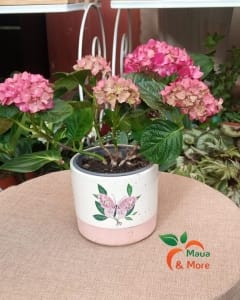


Leave a Reply
Want to join the discussion?Feel free to contribute!