
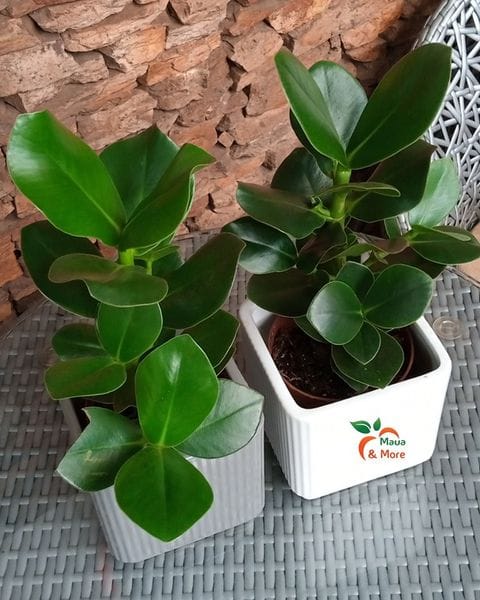
CLUSIA ROSEA
CLUSIA ROSEA
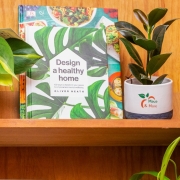
Its leaves are so thick and tough that it’s possible to carve your name, hence can be personalized.

Is salt tolerant since it is native to coastal areas, this makes it a useful landscaping choice for seaside and beach gardens in tropical climates.
GROWING CONDITIONS OF CLUSIA-ROSEA

Light
When it comes to lighting, the autograph tree is pretty flexible compared to some other types of tropical species. These trees do best in moderate to bright indirect light, but can also tolerate partial shade.
- Use curtains: Sheer curtains installed in the window where the tree is posted can help filter out the direct sunlight, but still offer plenty of bright light to help keep the plant energized.
- Use a grow light: Full-spectrum grow lights provide all of the light that these plants need without exposing it to the direct, hot ultraviolet rays of the sun, which can ultimately be damaging to it. Grow lights can also usually be adjusted or put on a timer so that you can carefully control the amount of light your plant receives.
- Block some of the incoming full sun with other sun-loving plants: If you have the autograph tree as part of a larger houseplant collection, placing it in front of larger houseplants that are more tolerant of direct light will help it receive indirect bright light while reducing its direct exposure to the sun.
Watering
Watering is one of the easiest ways to mess up when it comes to caring for the autograph tree.
The reason is that these plants love moist soils at all times and is not very drought tolerant, but it also can’t tolerate being soggy either.
Is salt tolerant since it is native to coastal areas, this makes it a useful landscaping choice for seaside and beach gardens in tropical climates.
Soil
These plants do best in a soft, loose, sandy soil that retains moisture well, but also allows for aeration of the plant’s roots. An equal mix of perlite, potting sand, and organic soil should provide enough looseness to keep the plant from becoming root-bound since it grows very quickly compared to other houseplants.
This plant is tolerant of many different soil types outdoors, making it a useful and practical addition as a tropical landscape planting.
Going with a commercially-prepared potting mix can be easier than adding different soil additives together if you don’t feel like making your own.
If you choose a commercial mix, it’s always better to go with a tropical houseplant potting mix rather than using native soil or garden topsoil.
How To Identify Clusia Rosea
- Large paddle-shaped leaves: The tree has large, dark green paddle-shaped leaves a little smaller than your palm. New leaves are light green and get darker with maturity.
- Leaf texture: Pitch apple plants have a thick, leathery texture to the touch. Their leaves are thick enough that you can scratch a message into the surface of them, hence the nickname “autograph tree.”
- Flower: The pitch apple is known for its beautiful cup-shaped white flowers with a ring of pink or reddish coloring around its center. These showy flowers mature into green fruits.
- Fruit: The green poisonous fruits are found on the branch tips and are filled with bright red seeds. They can get up to 3-inches in diameter, and once ripened, these persistent fruits turn black. Then the black material surrounding the fruit will split open.

- Botanical Name: Clusia rosea
- Common Name: Autograph tree, copey, cuppy, Scotch attorney, pitch apple, balsam apple
- Plant Type: Tropical Shrub/Tree
- Sun Exposure: Bright indirect light; can tolerate partial shade as a houseplant
- Mature Size: 8-25 feet tall
Maua and More, provides indoor plants, outdoor plants, gardening accessories and landscaping services.


Leave a Reply
Want to join the discussion?Feel free to contribute!