
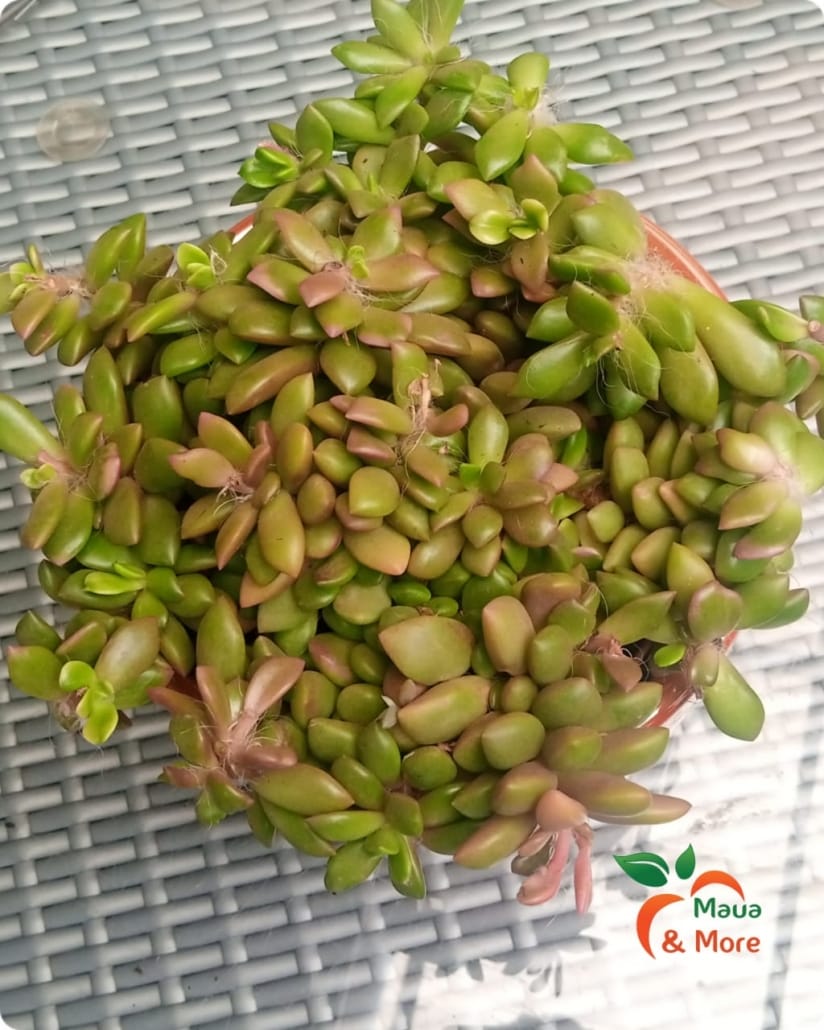
Anacampseros Telephiastrum Plant
ANACAMPSEROS TELEPHIASTRUM PLANT
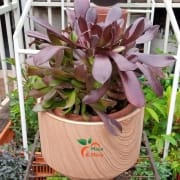
This variegated succulent has pink and green leaves. As the rosettes grow, they can creep outwards as a mat in rock gardens, or in containers, Anacampseros telephiastrum ‘Variegata’, also known as Anacampseros telephiastrum ‘Sunrise’, is an attractive succulent known for the color of its leaves.
The most commonly available are A. rufescens and A. telephiastrum, the former is known as the sand rose and both are referred to as sunrise. Anacampseros telephiastrum is a species of succulent plant native to the southern Karoo region of the Western Cape and Eastern Cape Provinces of South.
This houseplant will make your garden look appealing with its bright blooms, this creates an attractive spread of individual structures that is as wide as it is tall. The plants are very slow to grow, however, so this effect can take a long time. They are known for the color of their leaves, a burgundy to light rose that creeps into bright green, usually on the newest growth. On their undersides, the leaves are bright pink. In the summer, they produce small, bright pink flowers.
Despite being native to Africa, sunrise succulents are not very tolerant of direct sunlight or intense heat. They perform best in bright, indirect sunlight with temperate conditions and lots of air flow.
They are hardy down to USDA zone 10a, and in colder zones should be grown in containers and brought indoors during the cold months.
The roots are very prone to rot and, as such, the plants should be watered sparingly and grown in extremely well-draining soil.
During the dormant winter months, they should be watered even less, only when the soil is bone dry.
Apart from rotting issues, Anacampseros succulents are basically problem free and rarely suffer from pests or diseases.
They are tough, drought tolerant, easily adaptable to container life, and absolutely beautiful.
How to Grow
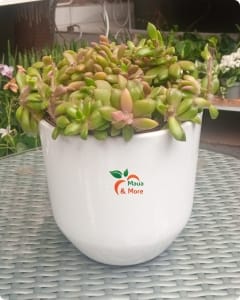
When you propagate or purchase an anacampseros plant, picking a proper site or container and creating favorable growing conditions will set you up for success.
It’s simple to care for these easy-going succulents once the prep work is complete.
Here are the must-haves:
Temperature
Never let these succulents get too cold! They are not frost tolerant, and can only be grown outdoors year-round in Zones 9 to 11.
Those who live in cooler areas must grow them either as full-time houseplants, or in Zones 4 to 9, as outdoor plants that come indoors to overwinter.
Anacampseros succulents will thrive in temperatures from 65 to 80°F, whether inside the average home, or in late spring or early summer weather in many Zones.
Hotter temperatures can curtail their growth, and extreme heat will kill them. So if you live where the weather runs to either extreme, whether hot or cold, plan to grow this succulent as a houseplant in a temperature-controlled environment.
For container plants, avoid the whole freezing issue by bringing them indoors before temperatures start dipping below 50°F at night. If you forget to make the move and the cold weather sneaks up on you, they may survive a dip to 40°F
Light
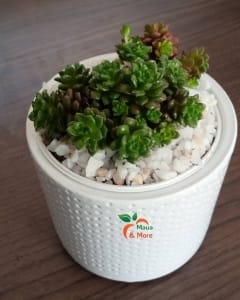
Anacampseros needs ample light, about four hours per day minimum. More light will bring out their vibrant color and variegation in varieties with colorful leaves.
But these plants may also be scorched by strong direct sunlight or harsh afternoon rays. So select a spot outdoors that receives morning sun and afternoon shade. Indoors, opt for a windowsill that receives morning sun or strong, indirect light.
If your household doesn’t have many windows or they’re shaded, consider using grow lights for at least part of the day if you can’t provide enough natural light.
Soil
To grow anacampseros in the ground outdoors, choose a plot with sandy loam that drains quickly or amend the soil to create those conditions. Before transplanting, cultivate the soil to a depth of at least six inches.
If your garden has only heavy or compacted soil, consider growing this ornamental in a raised bed or planter filled with a lighter mix.
Container-grown plants will benefit from a specialty succulent or cactus mix. Avoid commercial mixes with a high percentage of peat, because it tends to hold moisture so well it can threaten anacampseros with soggy roots.
If you live in an area where the humidity regularly exceeds 50 percent, or if you purposely create that condition indoors, consider using potting soil that’s even faster draining. Mix one part each of perlite and sand with two parts cactus potting mix.
Containers

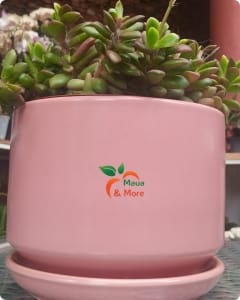
Choose a pot for anacampseros that is porous and well-draining. An unglazed clay pot with drainage holes is ideal, but light plastic pots are fine too, if that’s what the budget allows.
Just steer clear of glazed pots or metal containers without drainage holes.
Also, make sure your chosen container isn’t too big. If it has about an inch of extra space all around its rim, that should allow the plant enough room to spread through offsets but it will still be snug, providing the preferred conditions these plants enjoy.
You’ll also need a drainage tray or saucer to place beneath the container to catch excess water, which you then discard so the plant doesn’t get wet feet.
Water
If you’re prone to overwatering your garden or houseplants, you might want to give anacampseros a pass. These fleshy succulents hold water in their leaves, so they need only moderate amounts of supplemental water.
And it’s not something you can do on a strict schedule. Instead, you should determine whether they need water by evaluating the soil. Use your forefinger or a soil moisture meter to determine if the soil is dry down to at least two inches before watering.
This usually works out to about every two weeks in spring and maybe a little more often in summer, but let the soil’s moisture be your guide, not some arbitrary watering schedule.
For perennial outdoor plants, check how dry the soil is and check the forecast for rain before providing enough supplemental water so the soil is moist but not soggy.
Watering in the morning gives the leaves and stems a chance to dry ahead of nightfall when residual moisture can lead to mildew and mold.
Even with that lead time available, always make sure to water at the soil level, not from above the plants.
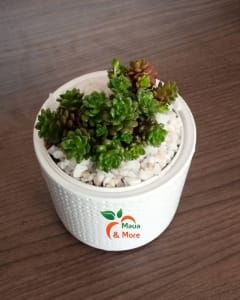
That’s tough with the dense clumps this succulent forms, so just do your best and give the plants plenty of time to dry off as needed at the end of the session.
Fertilizer
Only give these succulents fertilizer, during their active growth cycle. If you feed during dormancy, you may end up with a leggy plant.
Dilute a liquid succulent fertilizer to half strength, and apply it to already-damp soil once a month.
Growing Tips
- Provide at least four hours of bright light daily so leaves will maintain their striking colors.
- Always plant in well-draining soil.
- Water when the top two inches of soil are dry to the touch, or use a soil moisture meter to check.
Don’t forget Anacampseros Telephiastrum plant:
The plant grows well in partial sun with bright light enhancing the leaf colors and keeping them compact. They require a gritty free-draining soil with added organic material and low to moderate watering.
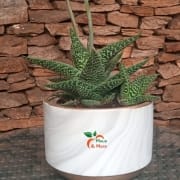
YOU CAN ORDER YOURSELF ONE FROM MAUA AND MORE
Find it at our outlets atGarden City MallMega +256 777014020Capital+256 753105788Metroplex Mall+256 785998442Check our catalog for discounted rates on all unique pots https://wa.me/c/256777014020 .


Leave a Reply
Want to join the discussion?Feel free to contribute!