
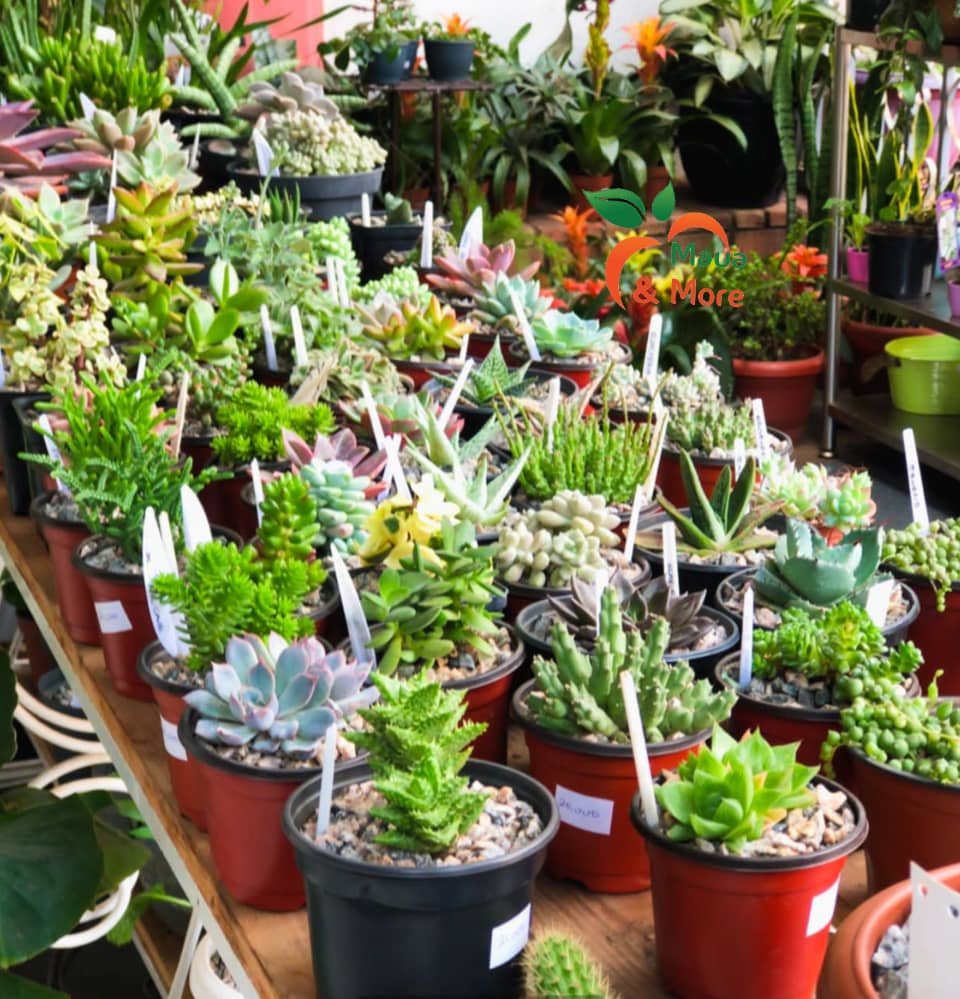
HOW TO CARE FOR SUCCULENTS
Succulents are part of a diverse genus with over 500 species, the wild varieties of which are capable of living for up to a century! That very resilience makes them great candidates for houseplant success, as they can manage to survive, and even thrive, in less than perfect conditions.
Growth
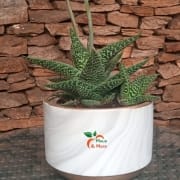
With long, pointed, and fleshy leaves, the upright growth pattern of most succulent plants provide a visual contrast to many of the mounding or trailing varieties of succulents. Many types have the potential to become quite large over time, and their tendency to offset, or produce “pups,” readily helps them establish a dense clump of foliage, easily filling a large pot or corner of a rock garden.
Furthermore, it is worth noting that succulents are considered “tender ,” which means that they are not capable of living outdoors especially during heavy raining seasons. That said, they can thrive outdoors provided that good drainage soil is used for planting and water is controllable.
Light
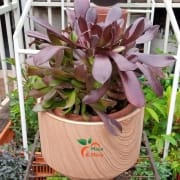
Placing Succulent when possible can help ensure that they receive the bright light that they need – and “sun stress,” or sun exposure beyond a plant’s most basic requirements, can cause some succulents to flush beautiful color hues.
While it can be tempting to seek the results of sun stress quickly, take care to make this transition slowly, as a little extra sun can create a gorgeous, “well-stressed” plant, while too much can cause the leaves to brown and dry out from sunburn.
Finding the right light balance also increases the odds of encouraging your plant to flower – a feat well worth the effort. Some succulents like Aloe plants are capable of producing an inflorescence, or spike of flowers, in stunning shades of bright red, orange, or yellow, with some being especially attractive to pollinators such as hummingbirds.
Water
The leaves of most succulent plants are very “talkative,” and will feel firm and full when the plant is well watered, and then soften when the plant needs a good drink. This phenomenon is particular visible in those varieties with the fleshiest, smoothest leaves. When this softening occurs, water thoroughly until the excess runs from the bottom of the pot, and do not water again until the soil is dry and the leaves once again begin to soften. Fast draining soil mix and a pot with drainage holes are critical, as soil that remains saturated for too long will predispose them to rot and pests.


Leave a Reply
Want to join the discussion?Feel free to contribute!